
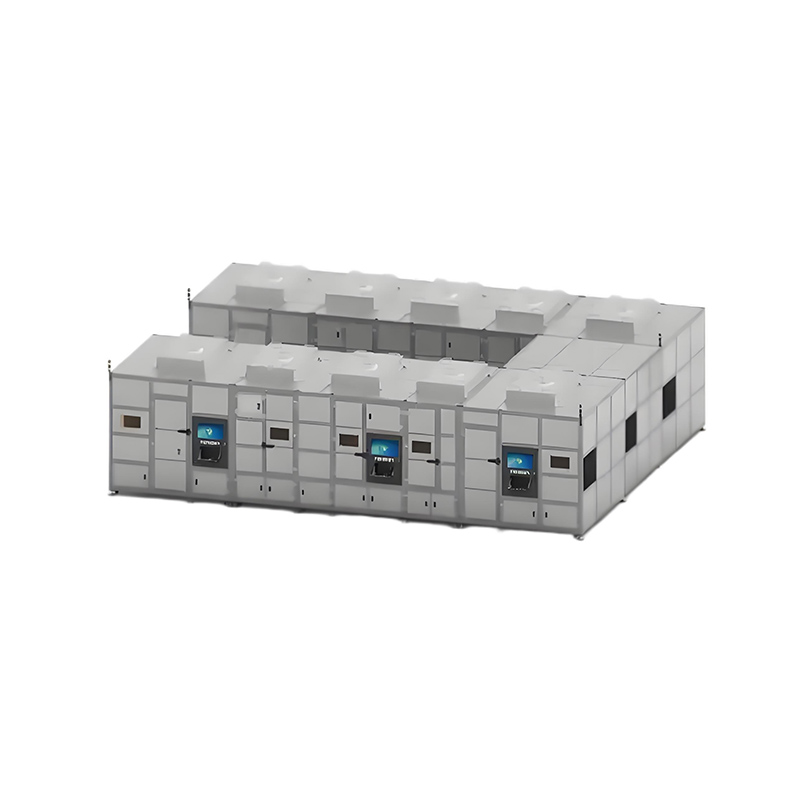
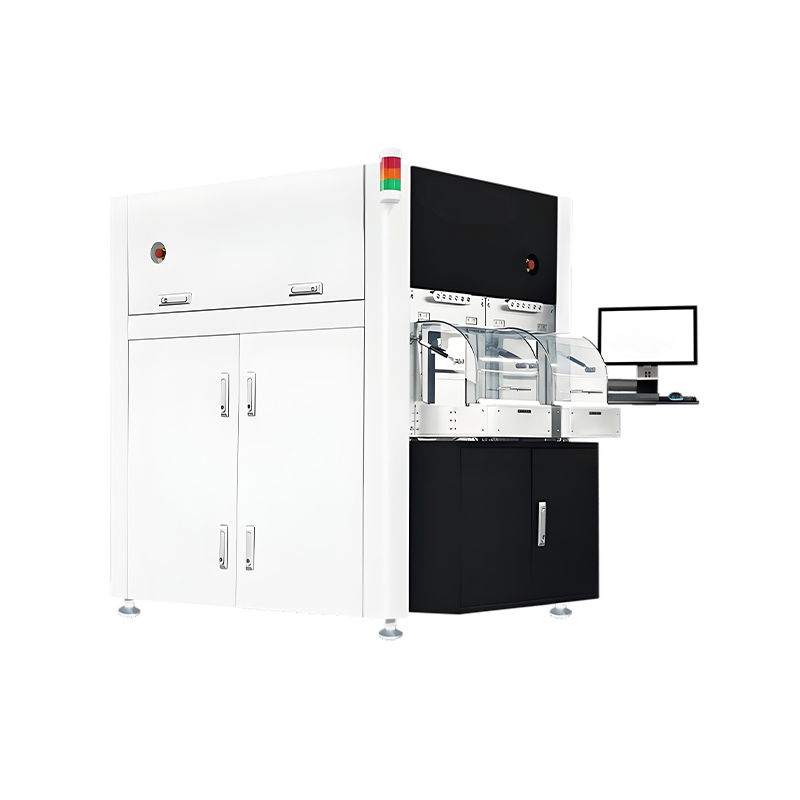
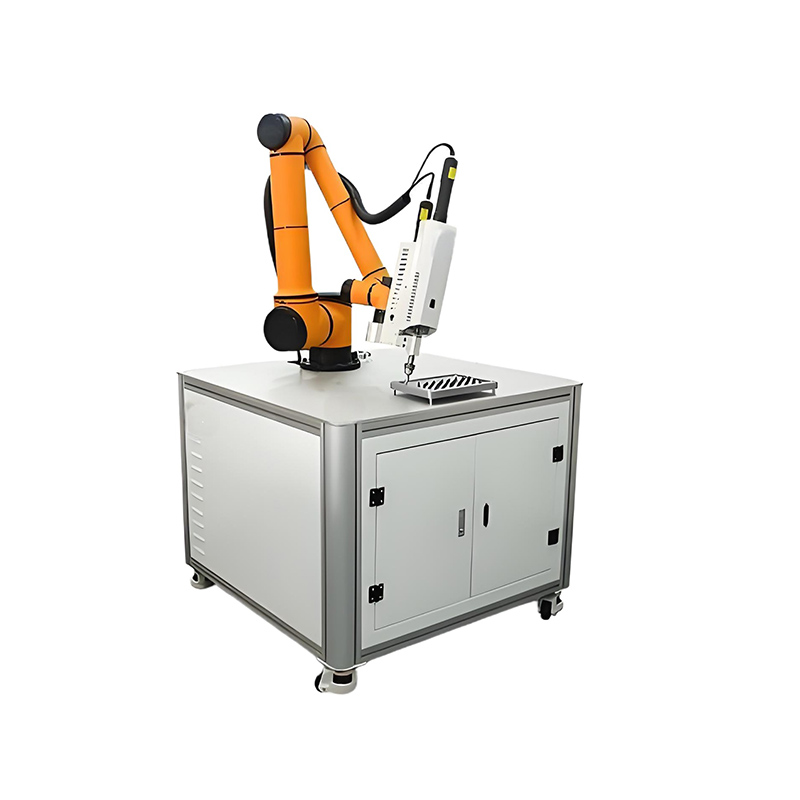
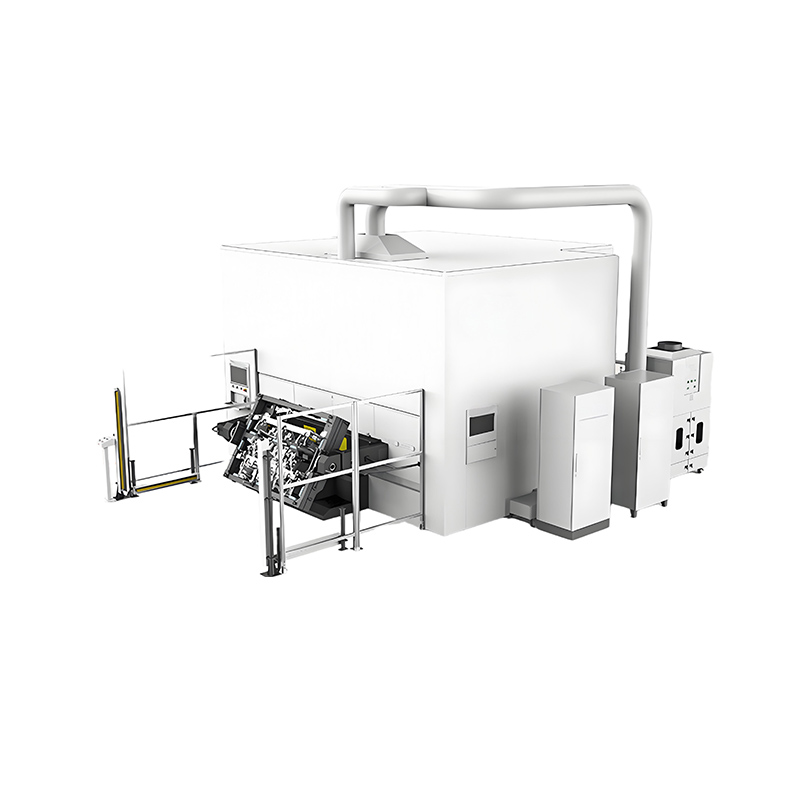
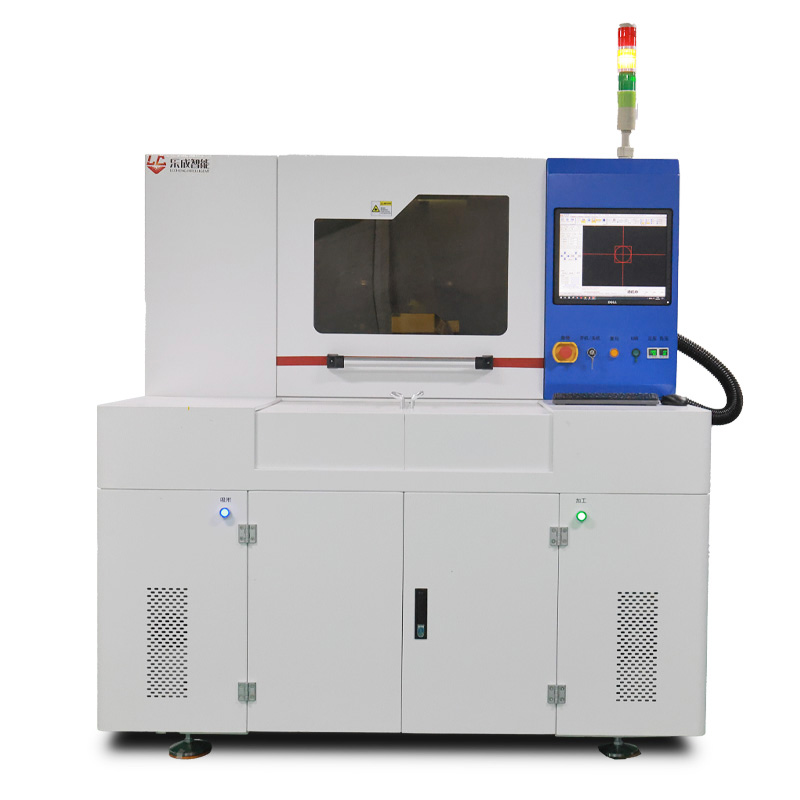
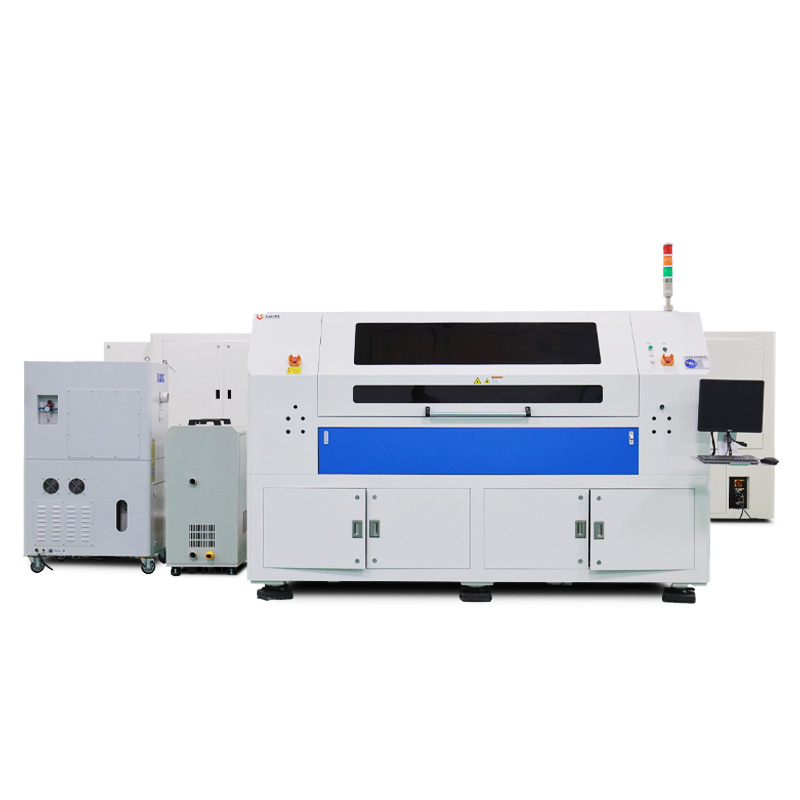

Lecheng works in photovoltaic laser processing, where overseas buyers usually care less about a generic brochure and more about whether the supplier understands the working condition, quotation scope and delivery risk. This guide explains how to handle Common Laser Scribing Quality Problems and How to Check Them with practical buying logic.
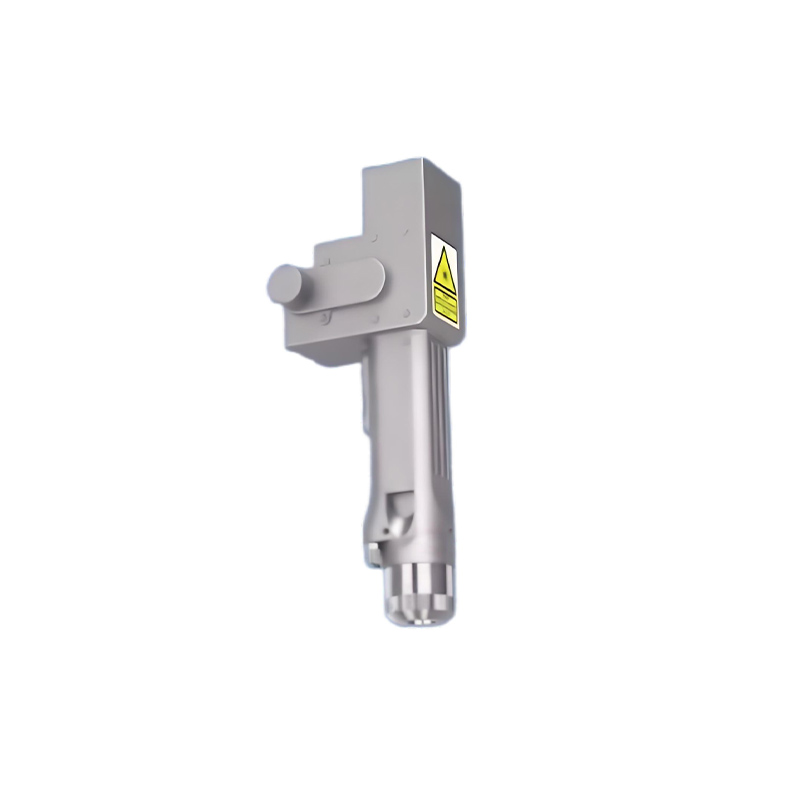
Start from the application, not only the product name
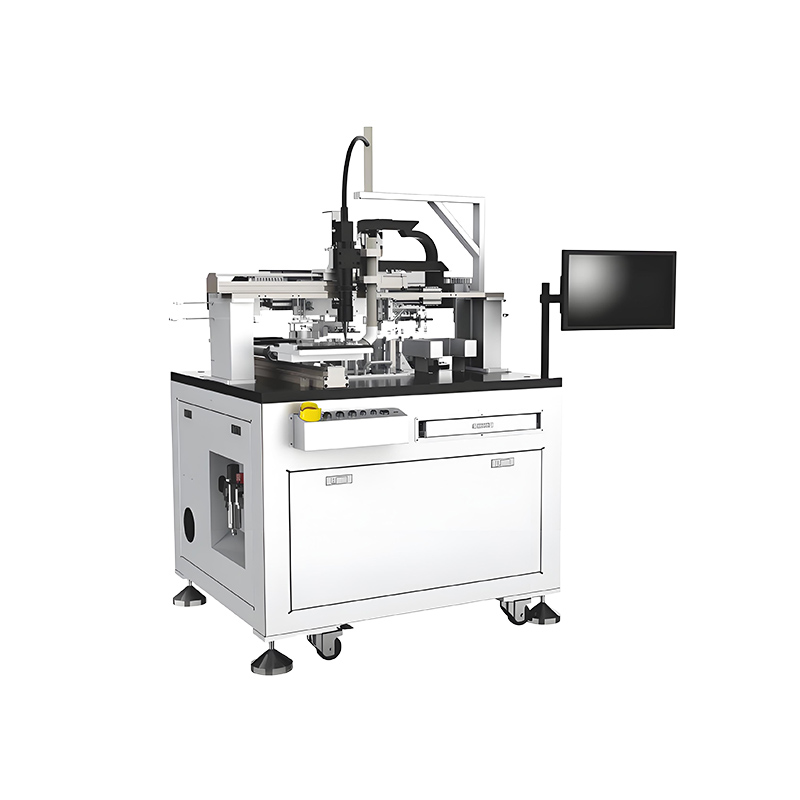
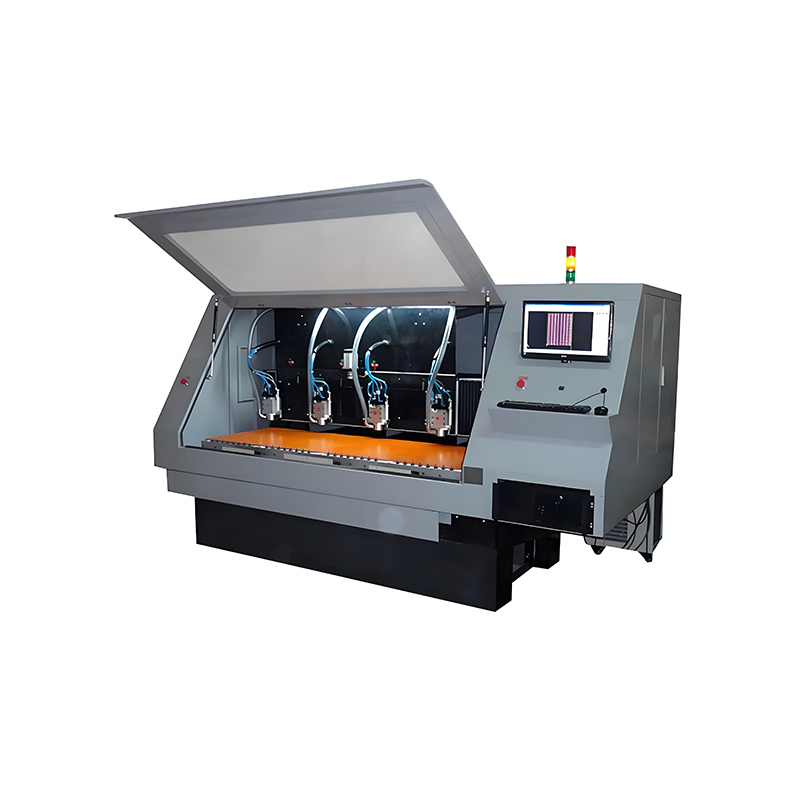
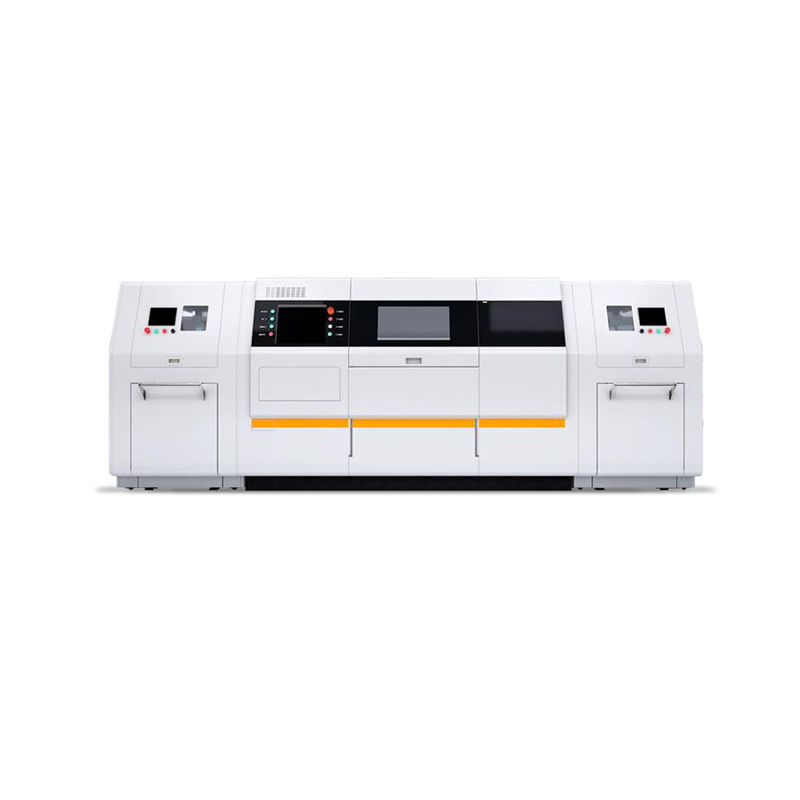
In P1, P2, P3 laser scribing and thin-film PV production, the same model name can perform very differently if the medium, installation position, electrical interface or inspection method changes. Before comparing suppliers, list the actual materials or working conditions: solar cells, thin-film modules, laser sources and motion platforms. This gives the supplier a clear base for technical confirmation instead of a vague price request.
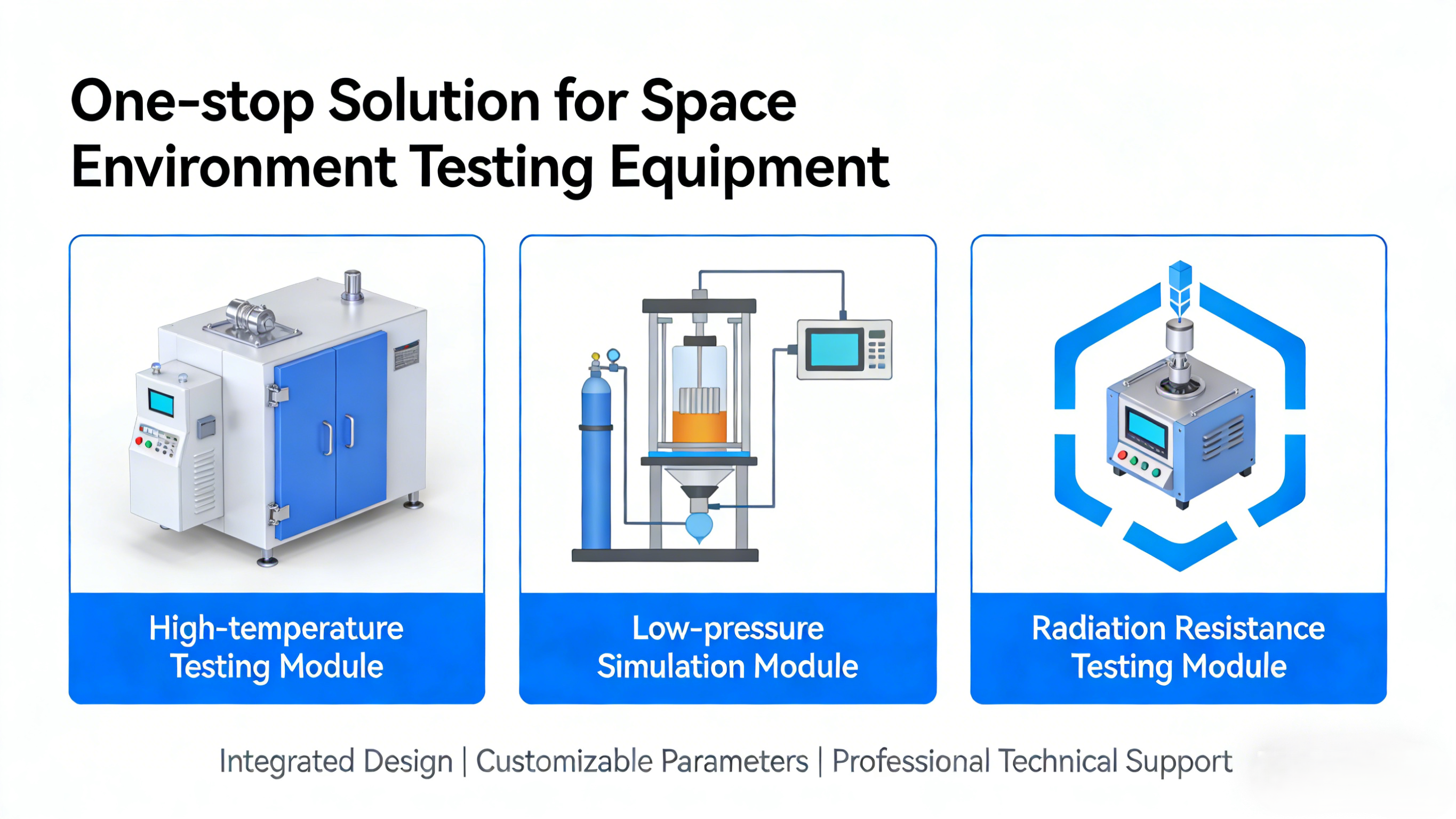
Buyers can first review related pages such as Laser Scribing Equipment RFQ Checklist for Photovoltaic Production Lines, Perovskite Laser Production Line – Advanced Manufacturing Solutions | LE Laser, One-Stop Solution for Space Environment Testing Equipment. Internal product pages help Google understand topical relevance, and they also let a procurement visitor move from a question article to a quote-ready product page.
Selection checklist for this project
| Item to confirm | Why it matters |
|---|---|
| Working condition | It decides whether the recommended solution can handle solar cells, thin-film modules, laser sources and motion platforms and the real operating environment. |
| Technical parameters | For this product line, focus on cell material, scribing layer, line width, speed, positioning accuracy and automation interface. |
| Acceptance standard | Confirm sample approval, inspection records, packaging and after-sales response before mass order. |

Common risks buyers should prevent early
The most common problems are not always caused by the product itself. They usually come from incomplete information before quotation: scribing defects, edge damage, poor alignment and throughput mismatch. A professional supplier should ask follow-up questions, explain trade-offs and provide a configuration that matches the target use case.
- Confirm the application drawing or layout before asking for the final price.
- Separate must-have technical requirements from optional preferences.
- Hãy hỏi xem việc kiểm tra mẫu hoặc kiểm tra trước khi giao hàng có thể được ghi lại bằng văn bản hay không.
- Hãy liên kết bài viết/trang này với trang sản phẩm và trang liên hệ để người dùng và công cụ tìm kiếm có thể dễ dàng theo dõi.
Thông tin yêu cầu báo giá cần gửi
Để nhận báo giá nhanh chóng và chính xác hơn, hãy chuẩn bị: cấu trúc tế bào, vật liệu lớp, chiều rộng đường dẫn, mục tiêu thông lượng, giao diện tự động hóa và kế hoạch thử nghiệm mẫu. Nếu dự án vẫn đang ở giai đoạn đầu, hãy gửi trước ứng dụng dự kiến, phạm vi số lượng và ngày giao hàng mục tiêu; nhà cung cấp sau đó có thể đề xuất những gì cần được xác nhận tiếp theo.
Câu hỏi thường gặp
Thông tin quan trọng nhất trước khi báo giá là gì?
Thông tin quan trọng nhất là điều kiện ứng dụng thực tế. Việc lựa chọn mô hình chỉ trở nên đáng tin cậy khi nhà cung cấp nắm rõ môi trường làm việc, các thông số yêu cầu và tiêu chuẩn chấp nhận.
Người mua nên chọn mức giá thấp nhất được báo giá không?
Không hẳn vậy. Giá thấp có thể trở nên đắt đỏ nếu bỏ qua chi phí lắp đặt, kiểm tra, bảo trì hoặc độ ổn định sản phẩm. Hãy so sánh toàn bộ phạm vi, chứ không chỉ giá đơn vị.
Trang này có thể giúp ích gì cho các nhóm tìm nguồn cung ứng?
Nó cung cấp một danh sách kiểm tra thực tế mà các nhóm tìm nguồn cung ứng, kỹ thuật và chất lượng có thể sử dụng cùng nhau trước khi liên hệ với nhà cung cấp.
Bạn cần đề xuất cụ thể cho dự án của mình? Xem lạiDanh sách kiểm tra yêu cầu báo giá thiết bị khắc laser cho dây chuyền sản xuất quang điệnhoặcliên hệ với nhóm kỹ thuậtphù hợp với điều kiện làm việc và lịch trình mục tiêu của bạn.